

Table of Contents
ToggleWhy Paneer is Perfect for Quick Cooking
Paneer doesn’t require long marination or slow cooking to develop flavor. It absorbs spices beautifully, holds its shape when cooked, and provides satisfying protein that keeps you full. Plus, it’s incredibly forgiving for beginners. Even if you’re new to Indian cooking, these recipes will make you look like a pro.
Nutritional Benefits of Paneer:
Before we dive into the recipes, let’s talk about why paneer is more than just delicious. This protein-packed cheese is a nutritional powerhouse that makes it an excellent choice for vegetarians.
Per 100 grams of paneer, you’ll get approximately:
- Calories: 265-300 kcal (depending on fat content)
- Protein: 18-20 grams (comparable to chicken or fish)
- Fat: 20-22 grams (mostly saturated fat)
- Carbohydrates: 1-2 grams (very low)
- Calcium: 200-400 mg (about 20-40% of daily needs)
- Phosphorus: 250-300 mg
- Vitamin A: Approximately 315 IU
- Vitamin D: Present in small amounts
Health Benefits:
Paneer is an excellent source of complete protein, containing all nine essential amino acids your body needs. This makes it particularly valuable for vegetarians who might struggle to get adequate protein from plant sources alone. The high calcium content supports bone health and dental strength, while phosphorus works alongside calcium for optimal bone density.
The protein in paneer promotes satiety, helping you feel full longer and potentially aiding in weight management when consumed in moderation. It’s also rich in conjugated linoleic acid (CLA), which some studies suggest may help with fat loss and building lean muscle mass.
For those watching their carb intake, paneer is naturally low in carbohydrates, making it suitable for keto and low-carb diets. It’s also naturally gluten-free, making it safe for those with celiac disease or gluten sensitivity.
A Word on Moderation:
While paneer is nutritious, it’s also calorie-dense and high in saturated fat. If you’re watching your calorie intake, use paneer in reasonable portions (50-100 grams per serving) and balance it with plenty of vegetables. You can also opt for low-fat paneer, which has about 30-40% fewer calories while maintaining most of the protein content.
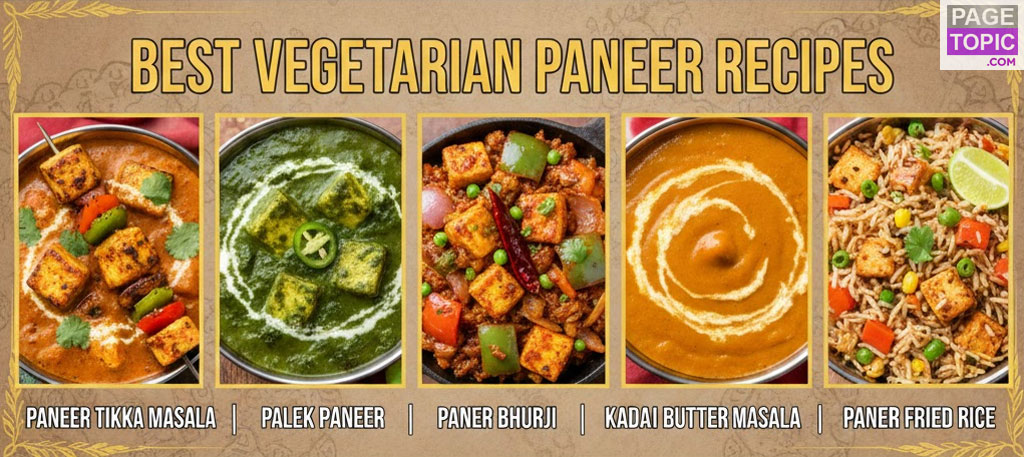
Popular Paneer Recipes
1. Paneer Tikka Masala: The Crowd-Pleaser
Time: 25 minutes
This restaurant favorite is surprisingly easy at home. Cut your paneer into bite-sized cubes and toss them with yogurt, garam masala, turmeric, and a pinch of red chili powder. While you heat a pan, dice an onion and crush some garlic and ginger. Pan-fry the paneer until it develops those gorgeous golden edges, then set it aside.
In the same pan, sauté your onions until soft, add tomato puree, and let it simmer for 5 minutes. Stir in cream, a touch of honey for balance, and your fried paneer. Finish with fresh cilantro and a squeeze of lemon. Serve with naan or rice, and watch it disappear.
Pro tip: If you’re really pressed for time, skip the marination entirely and just toss the spices directly into the sauce.
2. Palak Paneer: Green Goodness
Time: 20 minutes
Don’t let anyone tell you palak paneer is complicated. Blanch a bunch of spinach in boiling water for just 2-3 minutes, then plunge it into ice water to keep that vibrant green color. Blend it with green chilies and ginger until smooth.
Sauté cubed onions with cumin seeds, add your spinach puree, season with salt and garam masala, and let it bubble for a few minutes. Fold in lightly fried paneer cubes and a swirl of cream if you’re feeling indulgent. The result is silky, flavorful, and packed with nutrients.
Pro tip: Add a pinch of sugar to balance any bitterness from the spinach.
3. Paneer Bhurji: The 15-Minute Miracle
Time: 15 minutes
When you need dinner on the table fast, paneer bhurji is your answer. Crumble your paneer with your hands or a fork into small pieces. Heat oil in a pan, toss in cumin seeds, then add chopped onions, green chilies, and tomatoes. Cook until the tomatoes soften and become saucy.
Add the crumbled paneer, sprinkle in turmeric, red chili powder, and salt, and scramble everything together like you would eggs. The paneer absorbs all those flavors in minutes. Finish with fresh cilantro and serve with buttered toast or stuffed in a paratha.
Pro tip: This is fantastic for breakfast too, especially with a side of chai.
4. Kadai Paneer: Restaurant-Style Simplicity
Time: 25 minutes
The secret to kadai paneer is the bell peppers. Cut colorful bell peppers and onions into thick strips so they stay slightly crunchy. Make a quick spice mix by crushing coriander seeds, which gives this dish its distinctive flavor.
Sauté the peppers and onions in a hot kadai or wok, add crushed tomatoes and your spice mix, then toss in paneer cubes. The vegetables provide texture while the tomato gravy ties everything together. It’s bold, colorful, and absolutely delicious.
Pro tip: Use a mix of red, yellow, and green peppers for the most visually appealing dish.
5. Paneer Butter Masala: Pure Comfort
Time: 25 minutes
This is the creamy, slightly sweet cousin of tikka masala. Make a quick sauce by blending tomatoes with a little ginger and garlic, then cook it down with butter until it thickens. The key here is butter (don’t be shy), cream, and a sprinkle of kasuri methi (dried fenugreek leaves) which adds an incredible depth.
Add lightly fried paneer cubes, let them warm through, and finish with a generous swirl of cream. This is comfort food at its finest and pairs beautifully with garlic naan.
Pro tip: A tiny pinch of sugar enhances the tomatoes’ natural sweetness and balances the spices.
6. Paneer Fried Rice: Fusion Done Right
Time: 20 minutes
For those days when you want something lighter and less saucy, paneer fried rice is your friend. Cube your paneer and pan-fry until golden. In a hot wok, stir-fry vegetables like carrots, beans, and bell peppers, add cooked rice, soy sauce, a touch of chili sauce, and your paneer cubes.
The paneer adds protein and substance to what might otherwise be a simple side dish. It’s Indo-Chinese fusion at its easiest and most satisfying.
Quick Tips:
The best results come from using fresh paneer, which has a softer texture than the refrigerated kind. If your paneer is too firm, soak it in warm water for 10 minutes before cooking to soften it up.
Always have your spices ready before you start cooking. A basic collection of cumin, coriander, turmeric, garam masala, and red chili powder will cover most of these recipes. Pre-chopped ginger-garlic paste from the store is a legitimate time-saver and nobody will judge you for it.
Don’t overcook the paneer or it becomes rubbery. Since it’s already cooked, you’re really just warming it through and letting it absorb flavors.
The Bottom Line
Paneer proves that vegetarian cooking doesn’t have to be time-consuming or boring. These recipes deliver restaurant-quality flavors in the time it takes to order takeout. Once you master one or two, you’ll find yourself improvising and creating your own variations.
So grab some paneer, stock your spice drawer, and discover just how quickly you can create magic in your kitchen. Your weeknight dinners will never be the same.
Frequently Asked Questions About Quick Paneer Recipes
What is the fastest paneer recipe to make? Paneer Bhurji is the fastest paneer recipe, taking only 15 minutes from start to finish. Simply crumble paneer and scramble it with onions, tomatoes, and spices for a protein-rich meal.
Can I make paneer recipes without a lot of spices? Yes, paneer has a mild flavor that works well with minimal spices. Try paneer fried rice or a simple paneer stir-fry with just salt, pepper, and soy sauce for a lighter option.
How do I prevent paneer from becoming rubbery? Don’t overcook paneer. Since it’s already cooked, you only need to warm it through. Soaking store-bought paneer in warm water for 10 minutes before cooking also helps maintain softness.
Is paneer good for weight loss? Paneer is high in protein (18-20g per 100g) which promotes satiety and helps with weight management. However, it’s also calorie-dense at 265-300 calories per 100g, so portion control is important. Use 50-100g servings and pair with vegetables.
What’s the difference between Paneer Tikka Masala and Paneer Butter Masala? Paneer Tikka Masala uses grilled or pan-fried marinated paneer in a tomato-based sauce, while Paneer Butter Masala is creamier, sweeter, and uses more butter and cream with dried fenugreek leaves for a distinct flavor.
Can I prepare paneer recipes in advance? Most paneer curries taste even better the next day as flavors develop. Store in airtight containers in the refrigerator for up to 3 days. Paneer Bhurji and fried varieties are best eaten fresh.
What are the best side dishes for paneer recipes? Paneer curries pair perfectly with naan, roti, paratha, basmati rice, jeera rice, or quinoa. Add a side of raita (yogurt sauce), pickle, or a simple cucumber salad for a complete meal.
Is paneer suitable for a high-protein diet? Absolutely. With 18-20 grams of protein per 100 grams, paneer is an excellent vegetarian protein source. It contains all nine essential amino acids, making it a complete protein comparable to meat or fish.